MEDIA
Communicating Our Message Through the Media
An effective UAW Vice President must be able to communicate clearly, confidently, and strategically through the media. Every interview is an opportunity to advance the interests of our members, shape public opinion, and ensure that working people's voices are heard. When speaking to the media, a Vice President is not speaking for themselves—they are representing the membership and serving as a direct reflection of our union.
Media engagement must always serve a purpose. Whether addressing contract negotiations, job security, trade policy, workplace safety, or economic issues affecting our industry, every interview should help deliver the membership's message and agenda to the audience that needs to hear it. In today's fast-moving media environment, the ability to effectively communicate our priorities is more important than ever.
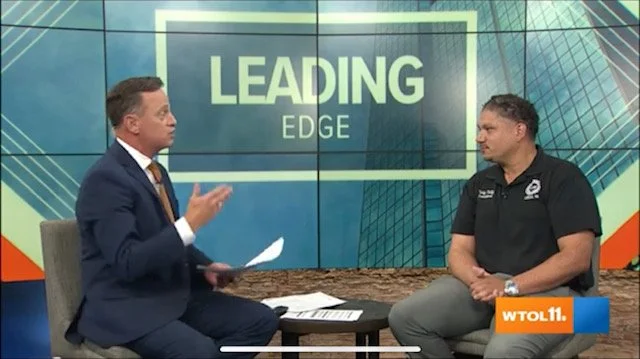
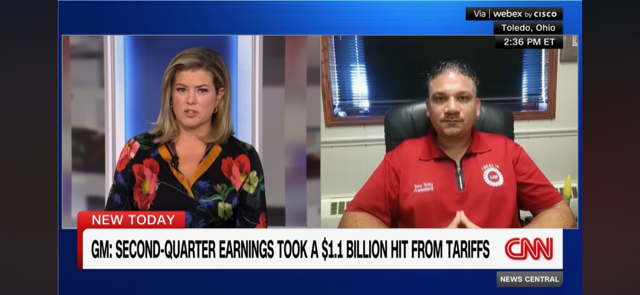
Throughout my career, I have had the opportunity to represent UAW members through print, radio, and television interviews. Stories highlighting UAW Local 14 and the issues facing our members have appeared in major publications including the New York Times, Washington Post, Detroit News, Detroit Free Press, and the Toledo Blade. I have also appeared on national television networks such as CNN, Fox News, Fox Business, and Newsmax, as well as local television affiliates and international media outlets.
These opportunities were never about personal recognition. They were about advancing the interests of our members. We have successfully utilized media attention to bring awareness to unemployment issues, influence public policy affecting our industry, and advocate for the rights of working people. By effectively telling our story, we have helped secure solutions and bring attention to challenges that might otherwise have been ignored.
Equally important, I have built strong working relationships with local media organizations and journalists. Credibility and trust matter when communicating our message, especially during difficult times when our members need their concerns heard and understood by the public.
We do not know what challenges our union will face next. Economic uncertainty, technological changes, corporate restructuring, and future contract negotiations will all require strong leadership and effective communication. Knowing how to tell our story, build public support, and ensure our members' voices are heard is a critical responsibility of union leadership.
As your UAW Vice President, I will continue to use every available platform to advocate for our members, protect our jobs, and advance the interests of working families across our union.


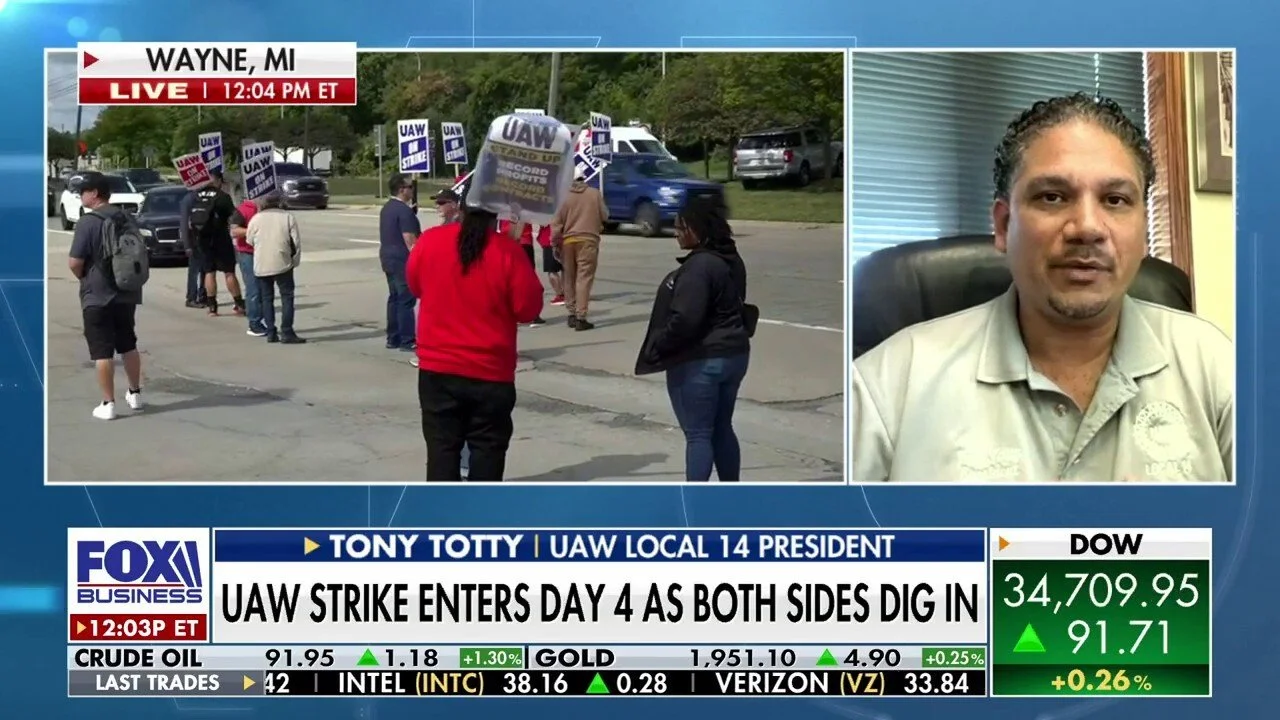
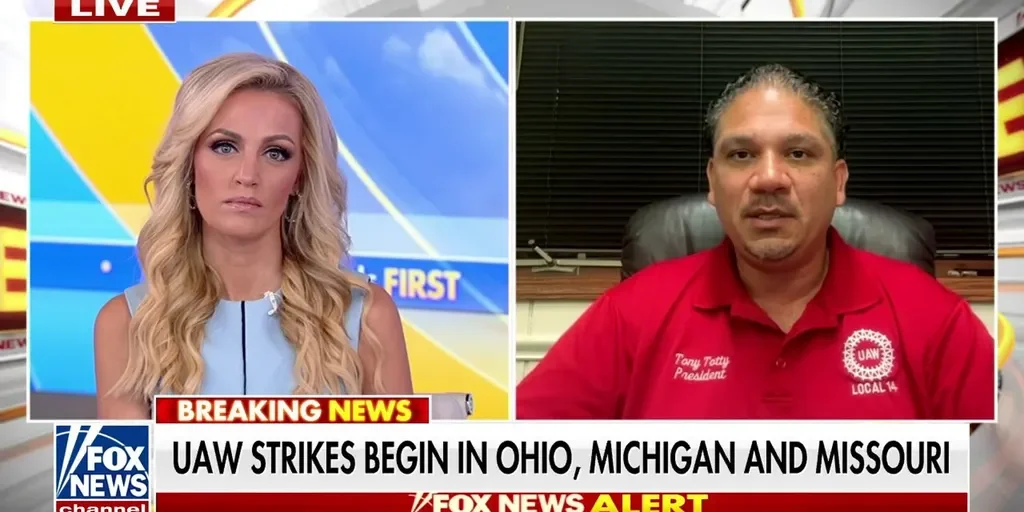
This interview was recorded in July 2023, before the Stand Up Strike.
At the time, I made it clear that excluding battery facilities from our agreement would be a deal-breaker. While some on the UAW International Executive Boards accepted management's claim that joint ventures couldn't be covered under our contract, I pointed to the NUMMI facility—a joint venture between GM and Toyota that operated under our agreement for decades. History matters because it teaches us what is possible.
The fight for job security doesn't end with battery plants. The next challenge is already here. Artificial intelligence and advanced automation have the potential to eliminate thousands of good-paying union jobs if we fail to act. That's why we must fight to restore Secured Employment Levels (SELs) from our 1996 agreement and establish meaningful protections for future generations of UAW members.
We need leaders who understand what we've lost, what we've won, and what we must reclaim. Job security isn't about protecting the past—it's about securing the future.
Leadership is about solving problems, not just talking about them.
During the semiconductor shortage, thousands of autoworkers faced layoffs and disruptions that exposed serious problems with Ohio's unemployment system. Many of our members experienced delayed benefits, unanswered questions, and unnecessary hardships while trying to provide for their families.
This interview was a turning point. By bringing these issues to the public through the media, we created the leverage needed to get action. The Toledo Blade also published an in-depth article highlighting the terrible experiences many of our members endured while navigating the unemployment system.
As a result of the pressure generated by our members' stories and the public attention they received, we successfully brought representatives from the Ohio unemployment agency to our union hall on two separate occasions to help resolve claims and get members the assistance they deserved.
I want to thank every member who shared their story. Your willingness to speak out gave credibility to our concerns and helped expose a system that was failing working people. Together, we turned frustration into action and action into results.
This is what effective leadership looks like—identifying a problem, amplifying the voices of our members, and fighting until solutions are delivered.
Special Attrition Program
I worked with others to help change the Special Attrition Program after members raised serious concerns about a bad policy. We mobilized members to call Solidarity House and demand a change in direction.
This issue became even more painful when one of our members passed away while waiting for the SAP program to begin. After working a full career, his family did not receive the SAP money he had earned. That should never happen.
This was another example of members banding together to win the change we needed — even when, sadly, the fight was against our own union. We need leaders who listen to members before, during, and after agreements are made.
Advocating for Fair Trade
When the Japan trade deal was announced, CNN reached out to me to discuss its impact from the UAW perspective. During the interview, I explained why I believed the agreement fell short for American workers and outlined what future trade agreements must include to protect jobs, strengthen domestic manufacturing, and create a level playing field for workers.
Over the years, I have developed credibility with major national media outlets because I bring the perspective of working people to important policy discussions. Whether the issue is trade, manufacturing, job security, or economic fairness, I have worked to ensure that union members and their families have a voice in conversations that affect their livelihoods.
Media engagement is more than appearing on television—it is about influencing the public debate and making sure the concerns of working families are heard by policymakers, business leaders, and the public. When workers have a seat at the table, we can help shape policies that create opportunities for future generations.